Nutrition
Building a Balanced Plate Without Tracking Macros
30 August 2023
Tracking every gram of food works for some people, but I think it's best used as a temporary tool. In the short term it builds a useful awareness of what we're actually eating. The risk is that the awareness doesn't switch off. It curdles into constant questioning. Is this ok? Is this too much? Is this too little? When every meal becomes something to interrogate, a tool that was meant to help can quietly turn into disordered eating. (For some people, like those managing a specific medical condition, structured tracking under guidance is genuinely the right call. But for most of us, it's a phase, not a lifestyle.)
So here's the simpler framework I keep coming back to.
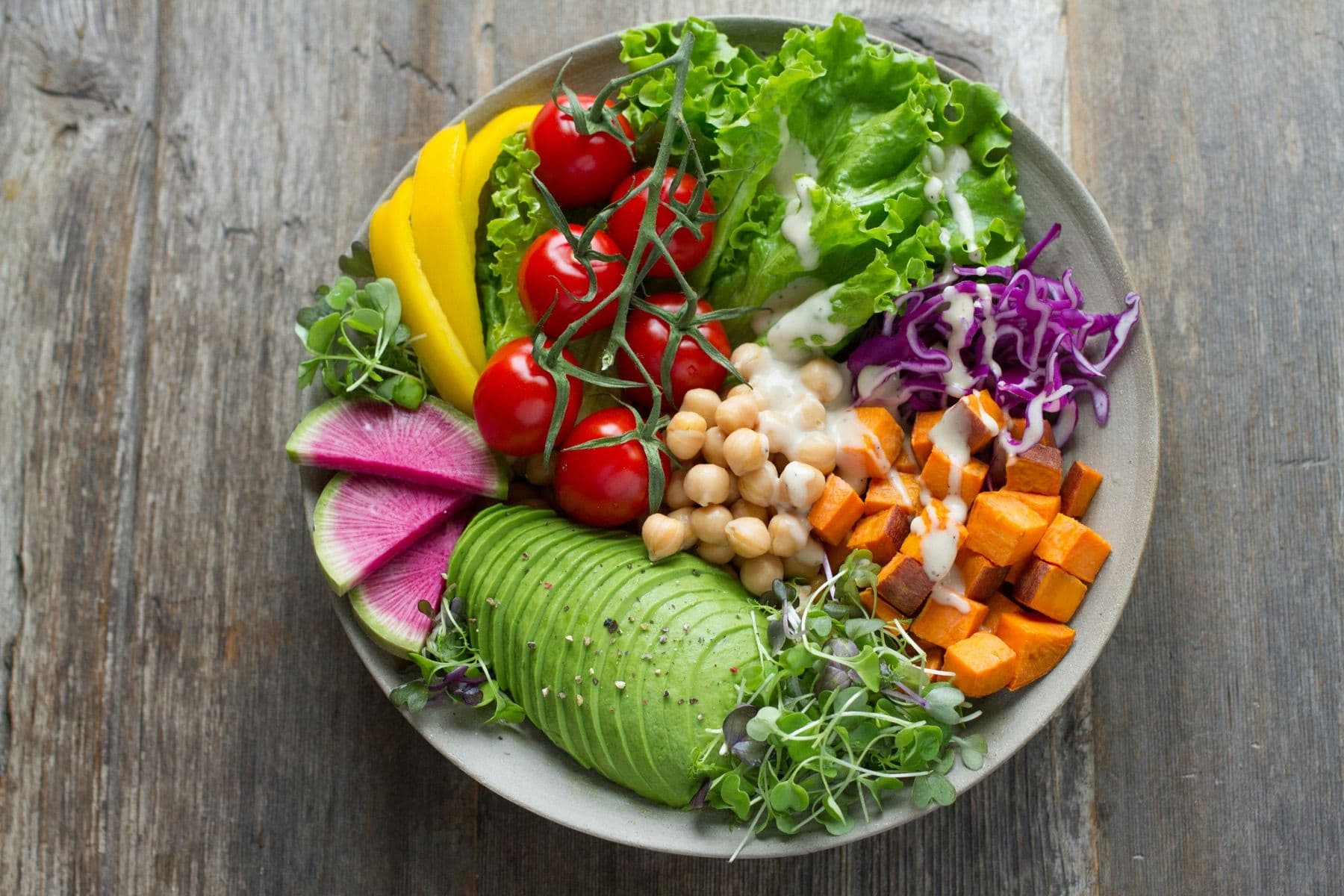
Fill roughly half your plate with vegetables and fruit, a quarter with protein (meat, fish, eggs, legumes or tofu), and a quarter with a wholegrain or starchy carbohydrate like brown rice, sweet potato, wholegrain bread or quinoa. Then add a source of healthy fat, such as a drizzle of olive oil, some avocado, or a handful of nuts or seeds.
In practice, that looks like a meal: salmon with roasted broccoli and peppers, a cup of quinoa, and a drizzle of olive oil. Or lentils with a big pile of roasted vegetables and a spoonful of tahini. The rule turns into dinner without much thought.
This visual approach helps you meet your fibre, protein and micronutrient needs without an app or a food scale.
Over time, the framework becomes intuitive.